I recently posted this article on LinkedIn, and thought YODL members in the alt-dairy sector might find it interesting. The figures relate to the US milk market, but I’d be interested to know if you think there are parallels here in Canada.
https://www.linkedin.com/pulse/could-plant-based-milk-eventually-replace-dairy-doug-eatwell/
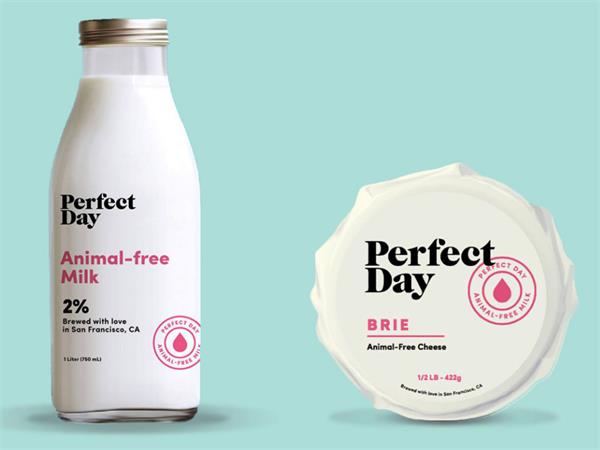
I’ve been thinking about this thread for a few days and I really think that once regulatory frameworks and scaled production methods for cell based milk are in place that a lot of people who currently choose plant-based milks for humanitarian reasons will start to by products like Perfect Day. And, further down the road, CRISPR technology applied to those cell multiplier products will likely reduce dairy allergies and sensitivities tremendously.
Interesting. Did you try it because of professional curiosity or because it is a product that fits into your lifestyle? Which I suppose, is another way to ask if you will continue to buy it?
Excellent article @Doug Eatwell,
Looking into the plant based alternatives available in the market, I do believe that between all emerging alternatives, milk is the closest we can find in taste and texture. I do believe that dairy-milk will be the first product to be complete replaced for the plant-based alternatives. I think yogurts and cheese still have a long path to become a closer match to original products.
I haven`t had the chance to taste the Next Milk yet, but will certainly looking for it in the stores.
My favorite so far is the Not Milk, the texture and taste are really similar to dairy milk. It is produced by the Chilean start up, Not Co and is available in Canada since last year.
https://notco.com/us/products/notmilk
I’m a regular plant milk consumer and always on the lookout for what’s new and interesting. It does feed my food science curiosity as well!
We’ve just finished our second carton and it’s on the list for groceries tonight, I think I’m a convert but would love to see more protein in the formula.
@Doug Eatwell Totally agree on the yogurt options. Pre-pandemic I would hop over the border as there are some decent non-dairy yogurts available.
Responding to @Dana McCauley 's question - We’ve been vegetarian for around ten years, but up until fairly recently still used dairy milk on cereal, in coffee, etc. We tried several plant-based alternatives over the years and didn’t really like them. When oat milk came along, we found it to be very good with cereal (no surprises there!) but we also like it in coffee and tea. As a result, we’ve switched almost entirely over to oat milk and only use a small amount of dairy in baking and cooking applications. I’d estimate we’ve replaced 75% of our dairy milk consumption with oat milk.
So, for us, it started out as a lifestyle choice, but the more we learn about factory farming methods, the more determined we become to continue our journey away from animal-based foods.
Interesting post @Doug Eatwell!
I read an article last month in the Financial Post about Danone’s new plant-based milk product (Nextmilk) that you may find interesting.
“Danone says more than half the households in Canada shun plant-based milk alternatives, and it believes that’s because those households just haven’t found something with the same texture and taste as cow milk. So Nextmilk is a plot to convert them”
Here’s the article link –> https://financialpost.com/news/economy/silk-is-pitching-the-next-generation-of-plant-based-milk-why-isnt-it-made-in-canada
Thanks for your comment, @Jamil Karim and for the link to the Financial Post article.
There are several dynamics in play, I believe.
First, societal habits and norms are constantly changing - e.g. consuming milk ‘by the glassful’ has fallen out of favour for a variety of reasons including health concerns, availability of more attractive alternatives, cost, etc. This is what has been driving the decline in dairy milk’s popularity for decades.
Second, milk substitutes have proliferated over the past ten years and the pace of innovation remains high, bringing newer and better alternatives to grocery shelves all the time. Adoption of these alternatives is a matter of personal taste and willingness to experiment - not all alternative milks are the same (even among those derived from similar ingredients). I suspect that some of the consumer reluctance referred to in the Financial Post article stems from ‘new product fatigue’ as consumers try something new only to be disappointed.
The third aspect affecting demand is ethical and derives primarily from two concerns, environmental and animal welfare, both of which have gained widespread and growing exposure in recent times. These concerns help to accelerate dairy’s decline while simultaneously assisting alternatives.
There is also a fourth dynamic to consider, namely technology, which expands the possibilities for alternatives beyond simple plant-based products to things like AI-assisted ‘designer’ milks (e.g. NotMilk) and precision fermentation - both of which hold great promise, but could further aggravate consumer fatigue.
It’s a fascinating time to be alive! 
I have Nextmilk in my fridge right now and we’re really enjoying it, the R&D team nailed the texture and appearance. I’m curious whether this formula will makes it’s way into other non-dairy applications like yogurt and how important nutritional equivalence vs dairy milk is to consumers?
I’m not sure Nextmilk is available yet in Ontario, but I’d love to try it when it gets here.
It’s good to see manufacturers blending different ingredients to improve the flavour and creaminess of the end product. It will probably take some reformulation to achieve the same result with products like yogurt, but it’s doubtless possible. Frankly, the alternative yogurts I’ve tried so far have been disappointing, but I’m sure this will change going forward.
As for nutritional equivalence, protein content seems to be the biggest challenge for plant-based milk. Precision fermentation may provide a way for plant-based milk to achieve protein equivalence with dairy milk.
Lots of great conversation and points all around.
From my perspective there are a lot of parallels to food choices in many categories right now. There are a lot of different consumer drivers for choice: diet, nutrient value, enviro etc. that are driving changes throughout many categories. Another element is ways of obtaining the products. Increased direct to consumer, delivery and boutique retail/food service models have facilitated proliferation of lower volume brands and products. This also drives exposure and options. All that being said I still believe taste and cost are the major drivers. These need to be correct otherwise most products won’t survive.
In the alt-dairy world I’m really looking forward to breakthrough techniques, technologies and innovations that deliver taste and cost advancements. There are some good options out there but it can get better of course.
Most consumer surveys confirm that taste and texture are king in virtually every food category. Research also shows that consumers are driven by other factors such as a need for assurance that the product is safe and ‘good for me’ and a need to feel that, ‘by eating/drinking this product, I’m making the world a better place’.
Brands that consistently satisfy all three (gratification, assurance and ethical concerns) are well-positioned to gain and defend dominant positions in the market.
I believe it’s important not to conflate these benefits (the things consumers are buying) with cost (or the price they pay). Inevitably lowering cost leads to decisions that compromise quality in some way, so pursuing cost reduction as a primary driver can be a slippery slope that leads to a weakening of the brand’s competitive position.
1 Like