Seeking Food & Beverage Processing Partners for Sustainable Bioplastic Initiative

Good morning everyone,

I hope this message finds you well. My name is Chau, and I am the founder of a Waterloo-based startup that is transforming food industry processing waste into affordable, fully compostable bioplastics for packaging, single-use items, and agricultural applications. We are currently seeking food and beverage processing partners who can provide fruit and vegetable waste-particularly citrus peels/pulp, apple peels/pulp, grape pomace, tomato, avocado, potato peels/pulp, oil meal, fish scales, and lobster or oyster shells-to support our sustainable materials initiative.

If you have any connections, references, or suggestions, we would greatly appreciate your guidance and support. Thank you sincerely for taking the time to read this message and for any assistance you may be able to provide.

Wishing you continued success and a wonderful day!

Best regards,
Chau
Email: chau.mai@biopolatis.com
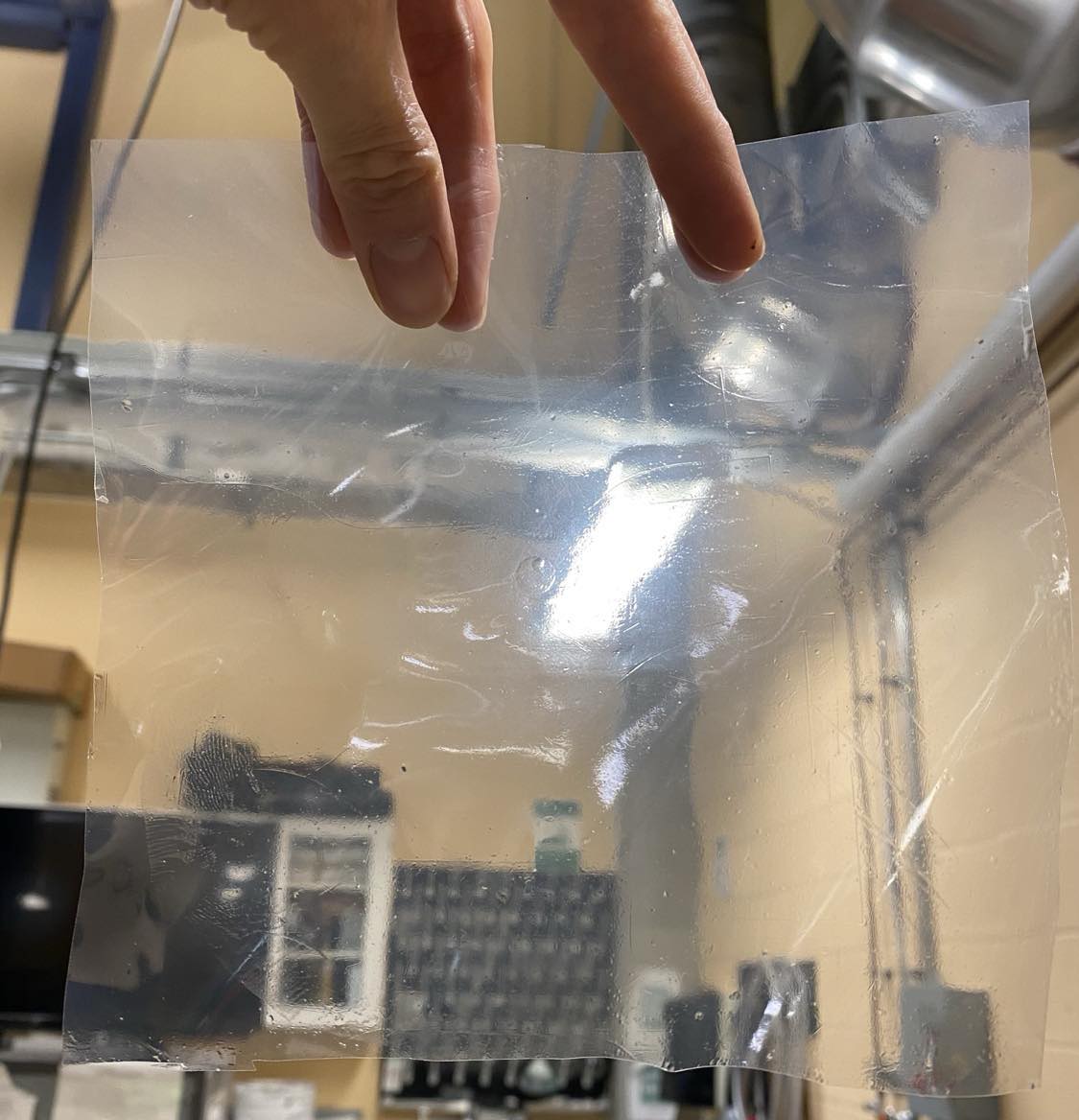
The fully compostable bioplastic film for packaging
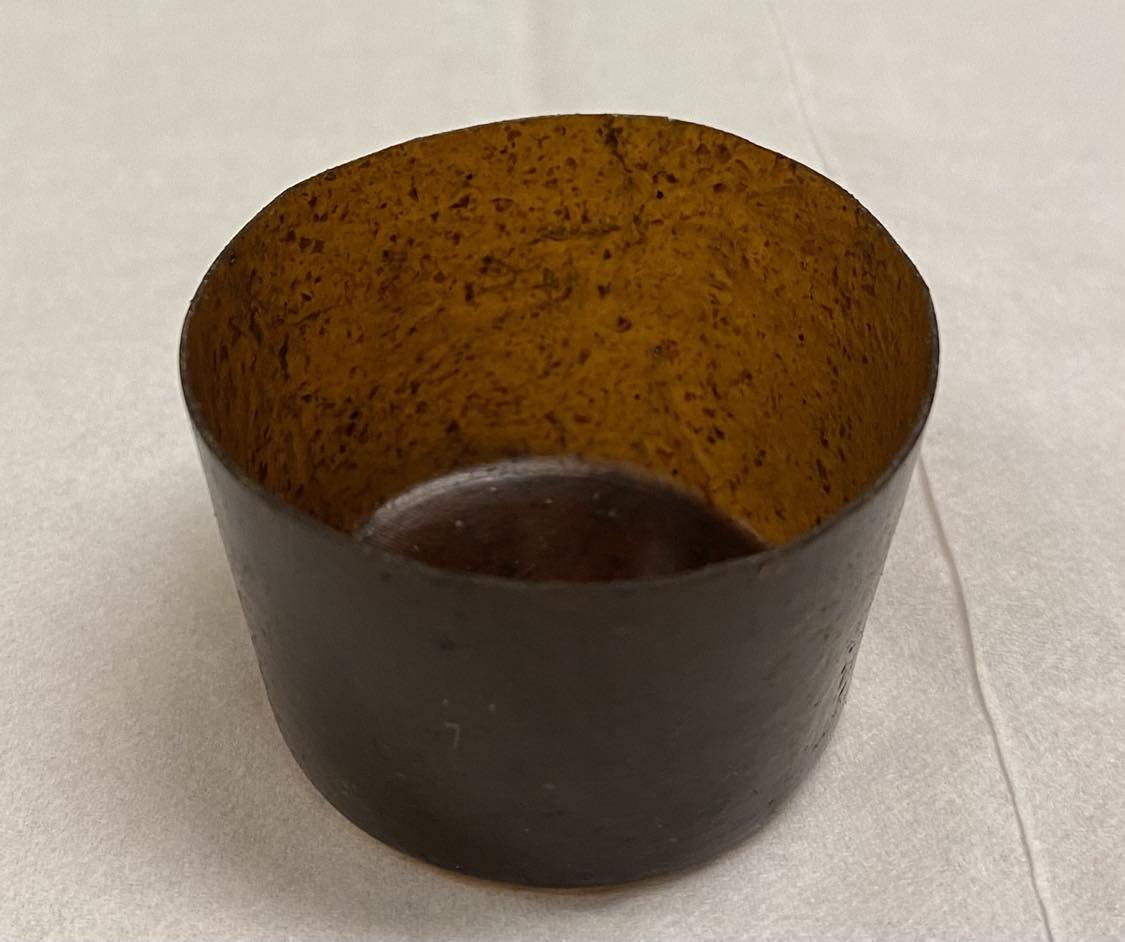
Our compostable cups are made from recycled coffee grounds-eco-friendly, and fully compostable.
1 Like

Have you connected with Martin's Family Fruit Farm? They are not far from you and have lots of apple pomace.

1 Like

Hi Chau,

I saw your post in the CFIN community - very aligned with what you're building.

I work in legume/pulse processing (faba, pea, lentil) and ingredient fractionation, and we're developing controlled biomass streams from legumes/beans - including protein-depleted fiber/starch fractions and protein-enriched fractions.

From a pilot perspective, this enables a circular model:

  • protein-rich fractions → food/ingredient applications

  • protein-depleted structural fractions → bioplastic/material feedstocks

I wanted to quickly clarify fit: are you currently working with raw biomass fractionation streams (e.g., protein-depleted fiber/starch fractions), or primarily post-processing food/seafood waste inputs?

If aligned, would be open to a short discussion around a pilot collaboration exploring legume/bean-derived biomass streams as bioplastic inputs.

Best,
Sagar